
Culture Is What People Do When No One Is Watching
A quiet dismantling of performative culture, contrasting it with the unspoken norms that actually hold communities together.
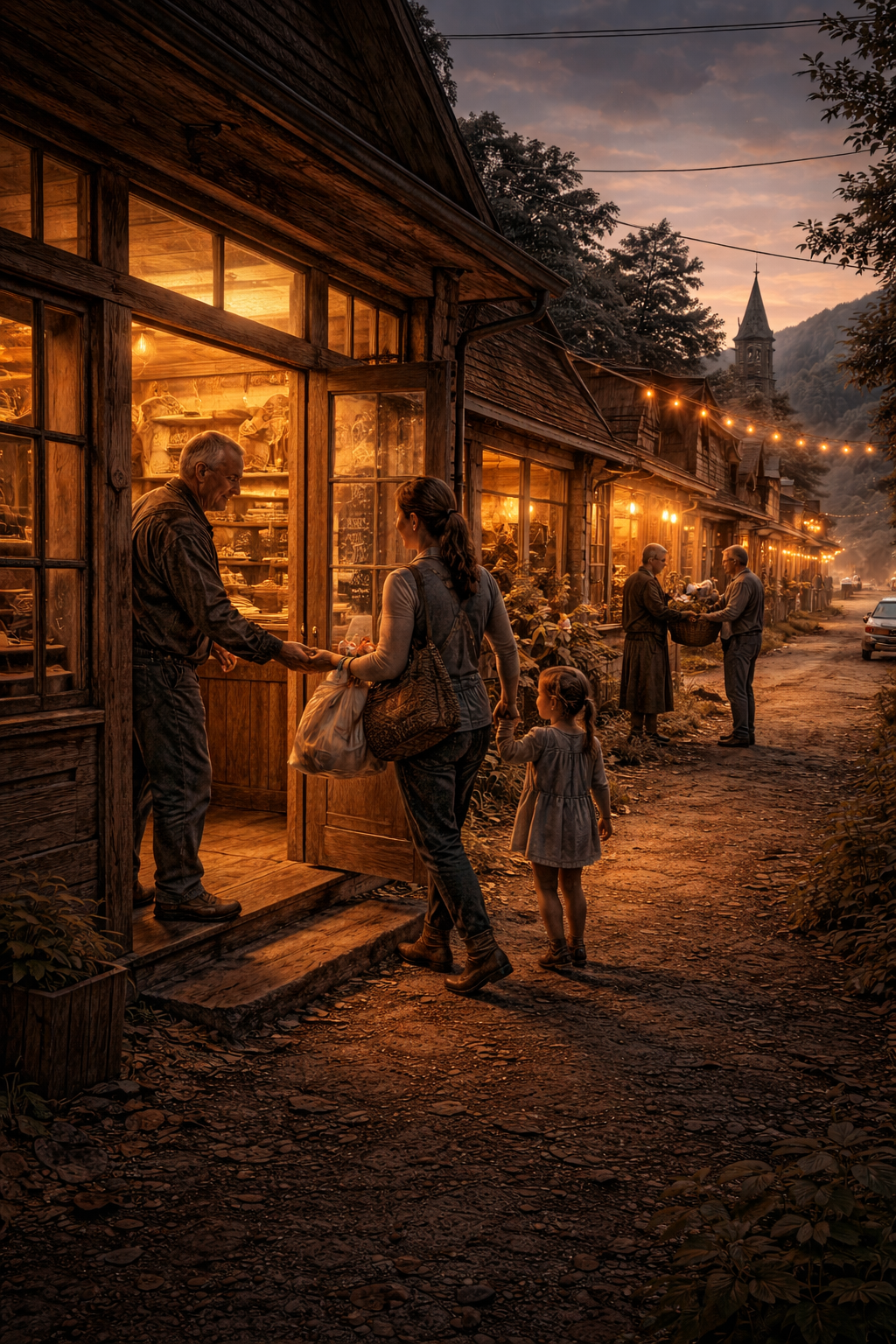
We often talk about culture as if it were something designed.
A program.
A curriculum.
A set of values written down somewhere and enforced from above.
But culture rarely announces itself that way in real life. Most of what actually holds a place together happens quietly, without ceremony, and without supervision.
Culture is what people do when no one is watching.
It’s the unspoken pause before speaking.
The decision to return a wallet.
The way a disagreement is handled when there’s no audience to impress and no authority to appeal to.
These moments never make it into mission statements, but they shape daily life far more than any official declaration.
This is why culture is so difficult to manufacture and so easy to damage. It isn’t stored in rules or slogans; it lives in habits, expectations, and shared memory. It forms slowly, through repetition and consequence, and it dissolves just as quietly when trust erodes.
When people feel watched, culture changes. Behavior becomes performative. Speech narrows. Actions align with what is safest, not what is truest. Over time, the gap between public compliance and private belief grows, and the culture that remains is hollow—technically orderly, but internally brittle.
By contrast, healthy cultures are recognizable by what happens in the absence of enforcement. People correct small mistakes before they become large ones. They absorb friction without escalating it. They extend grace not because it is required, but because it is normal.
This is why culture cannot be scaled the way systems can. It does not survive abstraction well. Once detached from context and consequence, it becomes theater—symbols without substance, norms without roots.
Strong cultures don’t need constant reminders of what they are. They are reinforced through countless small choices that feel almost invisible while they’re happening.
Only later, often in contrast to places where those choices stopped being made, does their value become clear.
Culture, in the end, is not what people say they believe.
It is what remains when belief is no longer being tested, rewarded, or observed—and people are simply left with each other.