
The Sovereign Port: Rebuilding Stronger Local Life
A local home base for a region — a town, valley, or county — that puts the community first while still engaging with the wider world on its own terms.
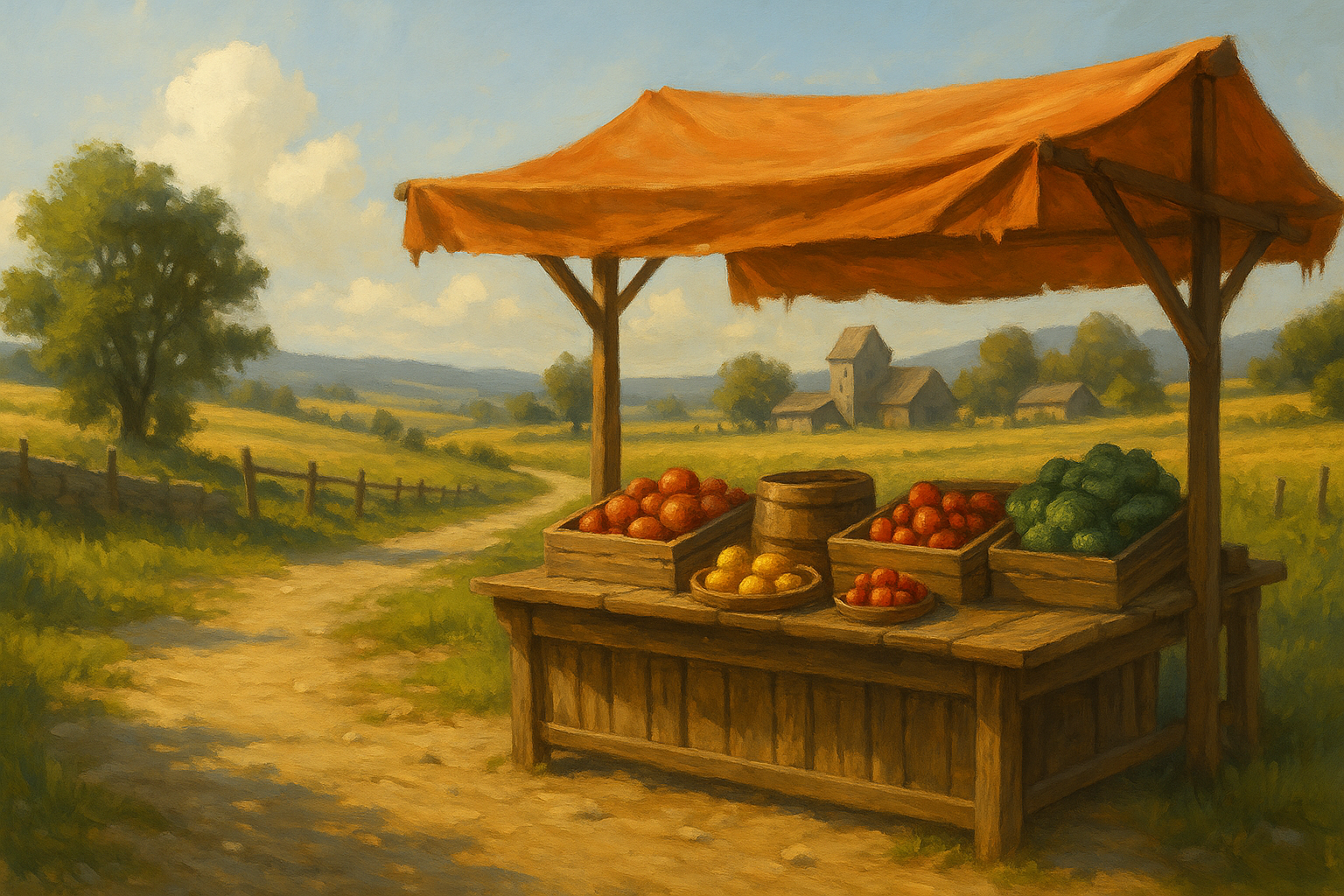
In today's world, many of us have become mere "users" of our own lives. We rely on vast global networks for news, shopping, friendships, and money — yet these systems feel distant, fragile, and indifferent to the texture of daily life. In exchange for convenience, we have quietly ceded control, leaving our communities vulnerable and increasingly disconnected from one another.
There is another path, one grounded in a timeless truth: humans are not meant to live in isolation. We are deeply interconnected. The African philosophy of Ubuntu captures this plainly — "I am because we are." Our well-being is inseparable from the well-being of those around us. Recognizing this interdependence is the foundation on which stronger, more resilient local life can be built.
One practical way to act on this truth is through what can be called a Sovereign Port: a local home base for a region — a town, valley, or county — that puts the community first while still engaging with the wider world on its own terms. This is not a retreat from global connection. It is a way of protecting what is ours so that we can participate in the world as equals, rather than as dependents.
The first step is cultivating a living foundation. This means caring for the land — the air we breathe, the soil that grows our food, the streams that provide water, and the wildlife that sustains ecological balance. When communities tend to their natural environment, they build the physical resilience everything else depends on. Without a healthy land base, nothing built atop it can last.
From a healthy land emerges strong human connection. Sharing resources and working together naturally produces relationships built on trust and mutual support — the quiet glue of any community. This trust combats the loneliness so pervasive today, and reduces our dependence on distant, impersonal systems.
These relationships flourish most fully when supported by robust local institutions: community newspapers, credit unions, farmers' cooperatives, small businesses, town governments. These are the shared table where people meet, collaborate, and shape the character of their region. Like beneficial bacteria in a healthy gut, they maintain balance and resilience, ensuring the community can sustain itself against outside pressure.
To protect these gains from being overwhelmed by global systems, a final layer matters: locally managed technology. Small clusters of computers, owned and maintained by the community, allow the safe use of global tools — online payments, AI services — without surrendering control over local data and decisions. Automated systems handle routine technical problems, freeing residents to focus on what matters most: family, relationships, and meaningful work. In reclaiming ownership of its technology, a community becomes an independent partner in the modern world rather than a passive tenant in someone else's infrastructure.
This vision is not revolutionary or confrontational. It is a gentle, deliberate approach to building stronger foundations — layer by layer — so that communities can thrive on their own terms while remaining connected to the world. By tending the land, cultivating trust, strengthening local institutions, and protecting autonomy through technology, a region transforms from a passive user into an active shaper of its own future.
Integration is orderly. It keeps the benefits of global innovation while restoring responsibility for well-being to the people who actually live there. Step by step, communities can become more sovereign, more resilient, and more genuinely their own.